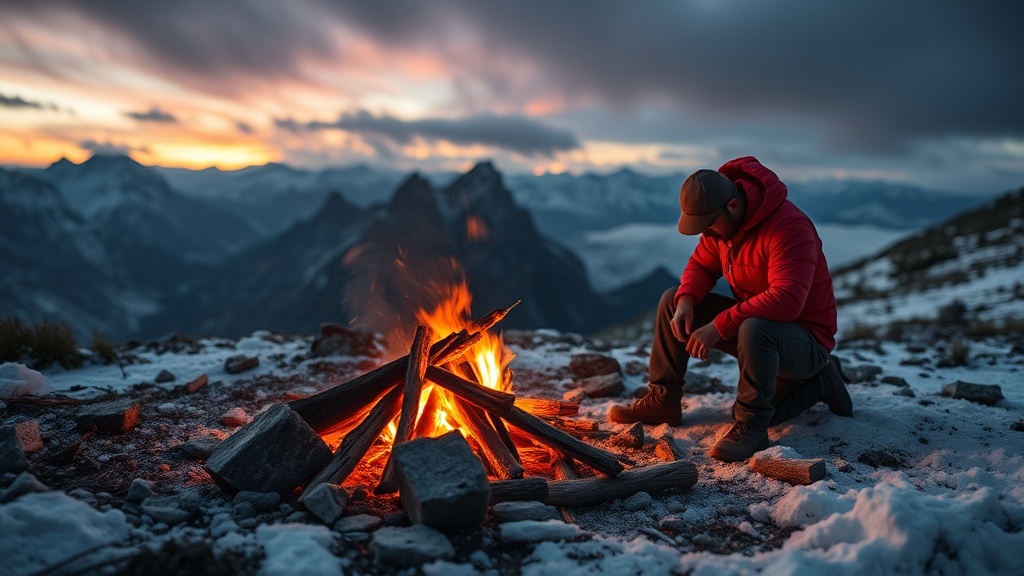
Building a Safe Campfire in Windy Alpine Conditions

The wind howls through the jagged granite peaks of the Sierra Nevada, whipping loose needles and grit across a rocky clearing. A single spark, momentarily caught in a gust, dances toward a dry patch of scrub brush. This is the reality of high-altitude camping where the weather doesn't play nice. Managing a fire in these environments requires more than just a handful of kindling; it requires a strategy to fight the wind and protect your gear. This guide breaks down the logistics of building a controlled, efficient fire when the air is moving fast and the oxygen is thin.
Most people treat a campfire like a hobby. In the alpine, it's a technical skill. If you don't respect the wind, you'll end up with a smoky mess or—worse—a wildfire risk that ruins your trip and the local ecosystem. We're talking about real-world tactics for keeping your heat source steady even when the gusts are hitting 20 mph.
How Do You Build a Fire in High Wind?
You build a fire in high winds by creating a physical windbreak and using a "top-down" or "log cabin" structure to shield the ember core. Relying on a simple teepee method usually fails in the mountains because the wind blows the flame right off the top. Instead, you need to build a structure that uses heavy wood to create a natural barricade for your smaller, more volatile kindling.
First, find a spot that is naturally sheltered by a large boulder or a thicket of trees, but stay at least ten feet away from any flammable canopy. You aren't looking for a hollow in a tree—that's a fire hazard—but rather a depression in the ground or a lee side of a rock formation. Once you've picked your spot, clear a circle of bare mineral soil or use a portable fire pit. If you're using a portable stove like a Snow Peak tripod system, ensure it is weighted heavily so a gust doesn't tip your cooking gear into the flames.
The key is the "Log Cabin" method. This involves stacking larger logs in a square shape around a central core of kindling. This structure is inherently more stable than a teepee and provides a "vault" for the heat to build up. As the wind hits the outer logs, the heat stays trapped inside the structure rather than being stripped away by the breeze.
Here is a quick breakdown of the layers you'll need for a successful alpine build:
- The Base: Large, thick logs (at least 3-4 inches in diameter) to act as a windbreak.
- The Fuel: Medium-sized sticks that can catch fire once the heat is established.
- The Tinder: Highly flammable material like birch bark or specialized fire starters.
- The Spark: A reliable way to catch the initial flame, like a ferrocerium rod or a long-reach lighter.
What Kind of Fuel is Best for Alpine Environments?
The best fuel for high-altitude fires consists of dry, seasoned wood that burns slowly and produces high heat without excessive smoke. In many alpine regions, finding wood is actually difficult due to strict "Leave No Trace" principles and the scarcity of vegetation. You should rarely rely on finding "deadfall" in high-altitude zones; it's often too damp or too precious for the ecosystem.
If you are in a designated area where wood-gathering is permitted, look for wood that is "dead and down." Never break branches off living trees—that's a cardinal sin of mountain camping. If you're relying on wood you brought in, ensure it is broken down into manageable sizes. A single large log is useless if you can't get it to catch in the wind. I always recommend carrying a small bag of specialized fire starters or even a small piece of a Patagonia fleece scrap (only in an absolute emergency, though I'd much rather you use a dedicated cotton ball soaked in petroleum jelly) to get the initial flame going.
The density of the wood matters. Hardwoods like oak or maple burn long and hot, but they are heavy to carry. Softwoods like pine or cedar catch fire much faster, which is great for a quick heat boost, but they can burn out quickly. A mix is your best bet for a sustained evening fire.
| Fuel Type | Ignition Speed | Burn Duration | Best Use Case |
|---|---|---|---|
| Dry Pine/Cedar | Very Fast | Short | Getting the fire started quickly |
| Hardwood (Oak/Maple) | Slow | Long | Maintaining heat through the night |
| Prepared Fire Starters | Immediate | Minimal | The initial "spark" phase |
It's worth noting that at higher altitudes, the air is much drier, which can actually make your wood burn more aggressively. However, the lower oxygen levels can also make it harder to keep a flame alive. You'll need to balance your airflow carefully. If the fire is struggling, you might need to slightly "open" the structure to let in more oxygen, but don't do it so much that the wind turns your fire into a blowtorch.
How Do You Extinguish a Fire Safely in the Wind?
To extinguish a fire safely, you must drown it with water, stir the ashes, and repeat the process until the ground is cool to the touch. In a windy environment, simply "letting it die out" is a recipe for disaster. A single ember caught by a gust can travel dozens of feet, landing in a dry patch of grass and starting a fire long after you've gone to sleep.
Don't just pour a little water on the flames and walk away. You have to be thorough. Use a shovel to spread the embers out—this is where a sturdy metal camping shovel comes in handy. Once the embers are spread, pour water over them. Use a stick to stir the wet ash and the embers together. If it's still sizzling or if you see steam, it's not done. Keep adding water and stirring until the "hissing" sound stops completely. The goal is to reach a state where you can touch the ashes with your bare hand without feeling any heat.
This level of diligence is especially important if you've been navigating difficult terrain and are feeling exhausted. Fatigue often leads to sloppy campfire management. I've seen too many people leave a "smoldering" fire because they were too tired to finish the job. It only takes one gust of wind to turn a mistake into a tragedy.
If you're worried about the wind carrying sparks, consider using a fire pan or a portable fire pit with a lid. This adds a layer of physical protection between your heat source and the atmosphere. It also makes the cleanup much easier when it's time to pack up. If you're camping in a high-altitude area where even the smallest fire is restricted, stick to a gas stove for cooking and keep your campfire activities strictly to designated, sheltered pits.
A well-managed fire is a tool for comfort and morale. A poorly managed fire is a liability. Treat it with the same respect you'd give a weather report or a topographic map. When the wind starts picking up, don't fight it—adapt your fire build to work with the environment, not against it.
Steps
- 1
Select a Protected Site
- 2
Construct a Windbreak
- 3
Layer Your Kindling
- 4
Monitor Ember Spread