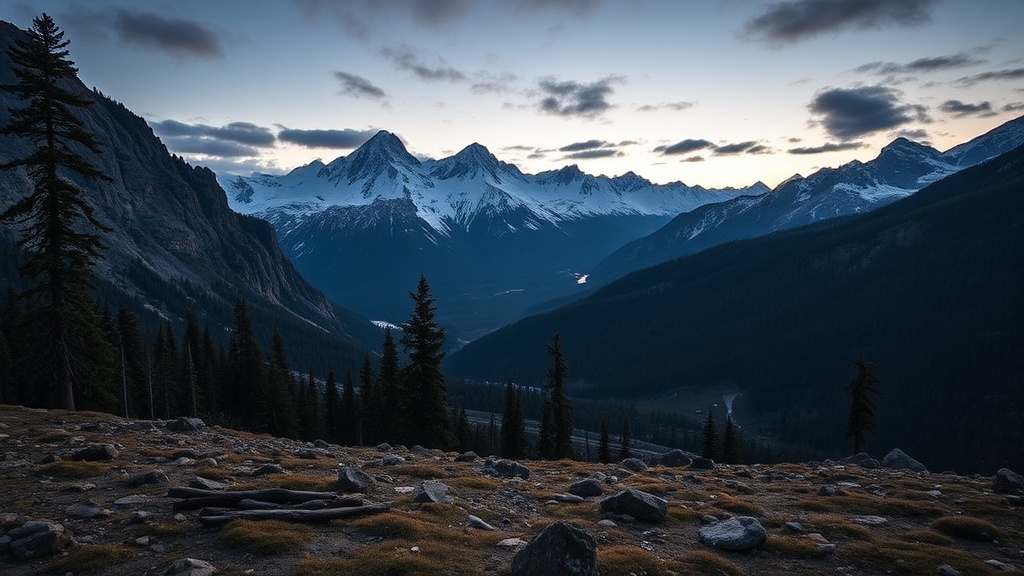
The Ultimate Guide to Planning Your Perfect Mountain Getaway

This guide covers everything needed to plan a mountain vacation that actually works for your schedule, budget, and fitness level. You'll learn how to pick the right destination, what gear matters (and what's just marketing), how to book lodging that won't disappoint, and the mistakes that turn dream trips into expensive headaches. Whether you're eyeing the Rockies, Appalachians, or Cascades, the strategies here will save money and eliminate guesswork.
When's the Best Time to Visit Mountain Destinations?
The best time depends entirely on what you want to do. Summer (June through August) offers hiking, wildflowers, and accessible roads at high elevations. Fall (September to October) brings foliage, fewer crowds, and often lower prices. Winter delivers skiing and snowboarding but requires advance planning and carries premium pricing. Spring can be unpredictable—trails are muddy, snow still blocks high passes, but you'll find deals.
Here's the thing: elevation changes everything. Denver sits at 5,280 feet and might be 75°F in July while Rocky Mountain National Park's Trail Ridge Road—just two hours away—still has snowbanks at 12,000 feet. Always check specific conditions for your target elevation, not just the nearest city forecast.
Worth noting: wildfire season now stretches from June through October in the Western states. The U.S. Forest Service incident map updates daily and should be checked before booking anything in California, Colorado, Oregon, or Washington. A "perfect" week can turn smoke-filled in hours.
How Much Should You Budget for a Mountain Vacation?
A realistic mountain trip runs $150–$400 per person per day depending on location, season, and lodging choices. That range covers accommodation, food, activities, and transportation. Ski resorts command premium pricing—think $300+ nightly for base-area lodging plus $200+ for lift tickets. Smaller mountain towns like Asheville or Gatlinburg offer more wallet-friendly options.
The catch? Hidden costs pile up fast. Resort fees (often $35–$50 nightly), parking charges, equipment rentals, and overpriced convenience store runs when you forgot snacks. Budget an extra 20% buffer for these surprises.
Sample Budget Breakdown (4-Day Trip for Two)
| Expense Category | Budget Option | Mid-Range | Premium |
|---|---|---|---|
| Lodging (3 nights) | $300 (cabin rental) | $600 (hotel) | $1,200 (ski-in/ski-out) |
| Activities | $100 (hiking, free events) | $400 (guided tour, lift tickets) | $800 (private guide, spa) |
| Food | $200 (groceries, some dining) | $400 (mix of restaurants) | $700 (fine dining focus) |
| Transportation | $150 (gas, parking) | $300 (rental car) | $500 (rental + resort shuttle) |
| Total | $750 | $1,700 | $3,200 |
That said, shoulder season travel—late April to early June, or September to early November—can cut costs 30–50%. Many mountain towns offer "locals' summer" packages with deeply discounted lodging and activity bundles.
What Gear Do You Actually Need for Mountain Travel?
You need layers, sturdy footwear, sun protection, and a daypack. Everything else depends on your specific activities. The outdoor industry loves selling specialized gear for every imaginable scenario—most of it sits in closets unused.
The foundation starts with the layering system: a moisture-wicking base layer (synthetic or merino wool), an insulating mid-layer (fleece or lightweight down), and a waterproof shell. Temperatures swing 40+ degrees between midday trails and evening campfires. Cotton kills in mountains—it holds moisture and steals body heat when wet.
Footwear matters more than almost anything. For day hiking, the Salomon X Ultra 4 GTX or Merrell Moab 3 handle most terrain without the break-in pain of heavy boots. Trail runners like the Hoka Speedgoat work for experienced hikers on maintained paths. Flip-flops? Leave them at home—unless you enjoy bruised toes and ankle rolls on gravel paths.
Sun protection is non-negotiable at altitude. UV intensity increases roughly 10% per 1,000 feet of elevation. At 10,000 feet, you're getting 50% more sun exposure than at sea level. Pack SPF 30+ sunscreen, lip balm with SPF, and sunglasses with actual UV protection (not just dark lenses).
The "Leave It Home" List
- Heavy camping gear — unless you're actually camping, obviously
- Multiple pairs of jeans — they're heavy, slow to dry, and useless for activity
- Bulky camera equipment — modern smartphones handle mountain photography exceptionally well
- "Just in case" outfits — mountains are casual; one nice outfit covers restaurants
- Hard-sided luggage — soft duffels fit better in rental SUVs and cabin trunks
How Do You Choose Between Mountain Destinations?
Start with your non-negotiables—driving distance, budget ceiling, activity preferences—then match them to regions that deliver. Don't try to "see it all" in one trip. Mountain geography punishes over-ambitious itineraries with endless winding roads and weather delays.
The Appalachian range (Great Smoky Mountains, Blue Ridge Parkway) offers accessibility for East Coasters, lower costs, and family-friendly terrain. The Rockies deliver dramatic elevation, alpine lakes, and world-class skiing—but require more preparation and expense. The Pacific Northwest (Cascades, Olympics) combines mountains with coastal access but carries higher moisture and unpredictable conditions.
"The best mountain trip isn't the one with the highest peaks—it's the one that matches your fitness, budget, and comfort level. A weekend in the Poconos beats a miserable, expensive attempt at Rainier."
Here's the thing about altitude sickness: it doesn't care how fit you are. Symptoms—headache, nausea, fatigue—can hit anyone above 8,000 feet, especially if you fly in from sea level and immediately drive to elevation. Build in a buffer day at moderate altitude before attempting strenuous hikes. Denver makes a good adjustment stop before heading to Breckenridge or Vail.
What's the Best Way to Book Mountain Lodging?
Vacation rentals through VRBO or Airbnb often beat hotels for groups and longer stays—kitchens cut food costs significantly, and living space matters when weather traps everyone indoors. That said, hotels offer consistency, daily housekeeping, and on-site amenities that rentals lack.
Location within the mountain town matters enormously. "Five minutes from the slopes" can mean a flat, shuttle-accessible walk or a treacherous uphill slog in ski boots. Check elevation change on Google Maps before booking. Base-area lodging costs more but eliminates daily logistics. Off-mountain rentals save money but require transportation discipline.
Worth noting: many mountain properties still operate on old-school systems. Some cabins lack cell service, Wi-Fi, or reliable GPS coordinates. Confirm check-in procedures, key locations, and emergency contacts before arrival. A printed reservation confirmation beats a dead phone battery at 10 PM in a remote location.
Lodging Types Compared
| Type | Best For | Average Nightly Rate | Key Consideration |
|---|---|---|---|
| Ski-in/Ski-out Condo | Serious skiers, convenience seekers | $350–$800 | Book 6+ months ahead for peak season |
| Downtown Hotel | Restaurant access, nightlife | $200–$400 | Check for resort fees and parking charges |
| Remote Cabin | Privacy, groups, nature immersion | $150–$300 | Confirm road conditions and 4WD requirements |
| Campground/Cabin | Budget travelers, outdoor enthusiasts | $25–$100 | Reserve through recreation.gov months ahead |
What Are the Common Mistakes First-Timers Make?
Underestimating drive times tops the list. Mountain roads average 35–45 mph. A map showing 60 miles might take two hours of white-knuckle curves. GPS estimates often don't account for seasonal closures, construction, or RV traffic crawling up grades. Add 25% buffer to all driving estimates.
Ignoring acclimatization ruins trips. Visitors fly into Denver at 5,280 feet, drive to Breckenridge at 9,600 feet, and wonder why they're dizzy and nauseous by dinner. Symptoms usually appear 6–12 hours after elevation gain. Hydrate aggressively—altitude dehydrates faster than sea level—and avoid alcohol the first 24 hours.
Packing for the wrong season happens constantly. Mountain weather operates on its own schedule. July afternoons see thunderstorms above treeline almost daily in the Rockies. October snow closes high passes without warning. Check mountain-specific forecasts (not just town weather) and pack for conditions 20 degrees colder than predicted.
Over-scheduling kills the vibe. Mountain travel involves logistics—parking shuttles, gear fitting, weather delays. Build in downtime. A "perfect" itinerary with five activities daily becomes exhausting reality when each requires 30 minutes of preparation and travel. Pick two priorities per day. Leave the rest for "if we feel like it."
How Do You Stay Safe in Mountain Environments?
Preparation beats equipment every time. Tell someone your planned route and return time. Carry more water than you think you need—dehydration hits faster at altitude. Check weather obsessively; conditions change in minutes above treeline.
Wildlife encounters require knowledge, not fear. Black bears populate most U.S. mountain ranges. Store food properly (bear canisters or hangs), make noise on trails, and never approach animals for photos. Bear spray works but know how to use it before you need it. The National Park Service bear safety guidelines provide region-specific protocols.
Cell service is a luxury, not a guarantee. Download offline maps through Google Maps or Gaia GPS before heading out. Carry a physical trail map as backup. Portable battery packs are essential—cold drains phone batteries rapidly.
That said, don't let safety anxiety prevent the trip. Millions visit mountains annually without incident. Common sense—staying on marked trails, carrying basics, respecting weather—handles 99% of risks. The mountains reward preparation and punish arrogance. Pack humility alongside your rain jacket.