Selecting the Right High-Altitude Cabin for Your Group

Why cabin selection matters for your group dynamics
You arrive at the rental after a six-hour drive, only to realize the "spacious living area" promised in the listing is actually a cramped room with one sagging sofa and a coffee table. The kitchen, which you expected to handle a family breakfast, only has a single burner and a tiny sink. These small mismatches between expectations and reality can derail a much-needed retreat before the first night even begins. Choosing a mountain cabin isn't just about picking a pretty view; it's about matching the physical layout to the specific social needs of your traveling party.
When you book a mountain getaway, you aren't just renting a bed. You are renting a social environment. If you're traveling with a group of loud teenagers, a cabin with thin walls and shared sleeping quarters will feel like a pressure cooker. If you're with a partner seeking quietude, a cabin situated right next to a busy lodge entrance will break that peace. This post breaks down how to audit a property listing to ensure the space actually works for your specific group configuration.
What should I look for in a cabin layout?
The layout dictates how much time your group spends together versus how much time you spend retreating to private spaces. For larger groups, look specifically for properties that offer "split floor plans." This means the primary bedrooms are on opposite sides of the main living area. This structural choice provides a buffer—a bit of breathing room—for people who want to go to bed early while others stay up in the common room.
Check the bathroom count with extreme scrutiny. A listing might say "3 bedrooms," but if there is only one full bathroom, a group of six will face a logistical nightmare every morning. I always look for at least one bathroom per two guests in a mountain setting. Additionally, look at the kitchen configuration. If your group plans on cooking large meals, a single small appliance won't cut it. You need a kitchen that can handle a crowd. A kitchen with a large island or a heavy-duty stove makes the prep work a social event rather than a chore.
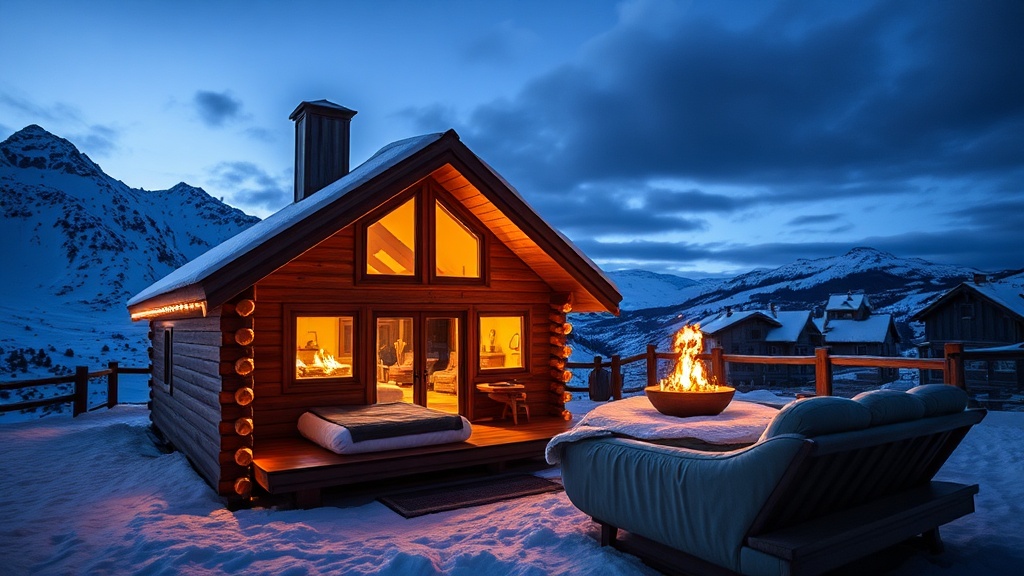
Don't overlook the outdoor spaces. A deck is more than just a place to sit; it is an extension of your living room. If you have a group that loves long conversations, a deck with a fire pit or a large dining table is a huge plus. However, if you're traveling with small children, ensure that the deck is secure or that the stairs are well-lit and safe. You can find great advice on outdoor safety and layout through resources like the National Park Service, which often discusses the importance of staying within designated areas and being aware of your surroundings.
How do I verify the actual capacity of a rental?
The term "sleeps 8" is often a way for hosts to maximize revenue, but it doesn't always mean 8 people can sleep comfortably. A cabin that sleeps 8 might include a pull-out sofa in the living room or a loft area with a single mattress on the floor. If you are traveling with elderly family members or young children, these "extra" sleeping spots are often impractical or even uncomfortable. You want to see actual bed types listed—Queen, King, Twin, or Bunk—rather than vague descriptions.
I recommend sending a direct message to the host before you finalize any booking. Ask specific questions: "Is the loft area a separate room with a door, or is it an open space?" or "Is the sofa bed a full-size or a twin?" This isn't being difficult; it's being smart. You can also check the TripAdvisor reviews specifically for keywords like "cramped," "tight," or "small kitchen." These user-generated reports often tell the truth that the professional photography hides.
| Group Type | Priority Feature | Red Flag |
|---|---|---|
| Large Families | Multiple bathrooms & large dining area | Single shared bathroom |
| Couples/Retreats | Private deck & secluded location | Near main roads or lodges |
| Friend Groups | Open common areas & fire pits | Small, cramped kitchen |
| Solo Travelers | Security & easy access | Remote, unlit paths |
Which amenities are worth the extra cost?
In the mountains, certain amenities transition from "luxury" to "necessity" very quickly. A hot tub might seem like a splurge, but after a day of hiking or skiing, it becomes the highlight of the trip. However, be aware that many high-altitude cabins with hot tubs require significant upkeep. Check recent reviews to see if people mention the hot tub being out of order or poorly maintained. A broken hot tub is a major disappointment when you've paid a premium for it.
Another thing to consider is the heating system. In high-altitude environments, temperature swings are drastic. A cabin with a wood-burning stove is charming and provides great ambiance, but it requires work. If your group isn't experienced with fire management, you might end up with a cold house. Look for properties that offer both a wood stove for atmosphere and a reliable electric or gas heating system for consistency. This ensures you won't be shivering while trying to enjoy your coffee in the morning.
Finally, think about connectivity. If you are traveling for a "digital detox," look for cabins that explicitly mention limited Wi-Fi or no Wi-Fi. If you actually need to check emails, confirm the strength of the signal. Many mountain properties have spotty internet due to the terrain. Don't assume that because a cabin has a smart TV, the internet will be fast enough to stream a movie. If the connection is a priority, ask the host for a recent speed test result. This level of detail prevents the frustration of a disconnected trip.
Final checks before you hit book
Before you finalize your selection, do a final sweep of the photos. Look at the corners of the images. Are the counters cluttered with the host's personal items? Is the space actually as large as the description claims? Sometimes, wide-angle lenses can make a tiny studio feel like a loft. If you see a lot of empty space in the photos, it's a sign the lens is doing a lot of heavy lifting. Trust your gut, read the fine print, and always prioritize the layout that matches your group's actual behavior.