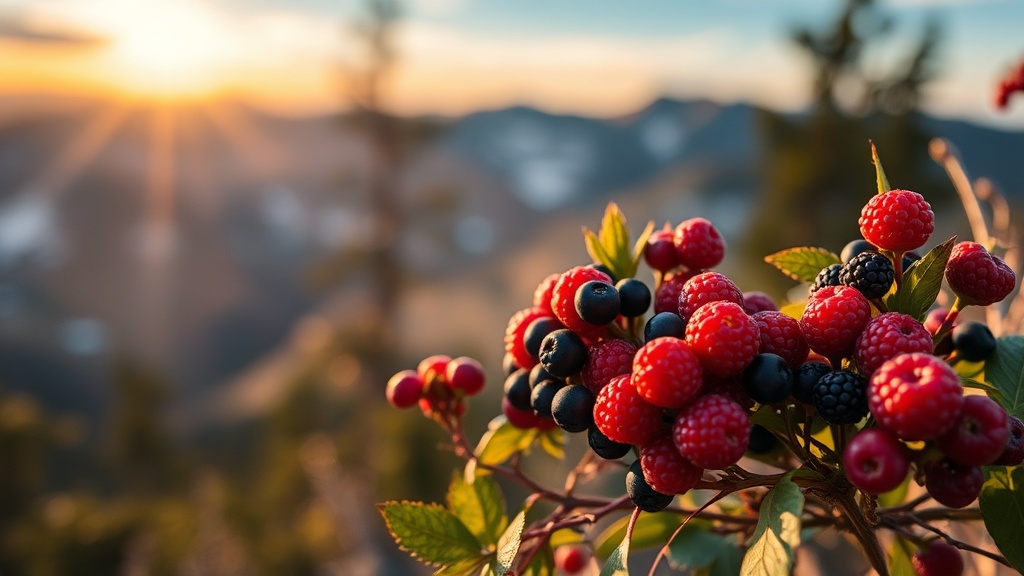
Savoring Wild Berries and Foraged Flavors in the High Sierras

You’re hiking a trail near Yosemite or Mammoth Lakes when you spot a cluster of deep purple berries clinging to a low bush. Before you reach for them, you need to know if they're a delicious snack or a trip to the emergency room. This post covers the specific wild berries found in the High Sierras, how to identify them safely, and the best ways to incorporate these flavors into your mountain vacation meals.
Foraging isn't just about free food; it's about enhancing your mountain retreat experience. When you know what to look for, a simple afternoon stroll turns into a high-altitude scavenger hunt. Just remember: if you aren't 100% certain, don't eat it. Period.
What Are the Most Common Edible Berries in the High Sierras?
The most common edible berries you'll encounter in the Sierra Nevada range are wild blueberries, huckleberries, serviceberries, and mountain currants. These species thrive in the acidic soils and varying elevations found throughout the region.
Blueberries (Vaccinium species) are the gold standard. They usually grow in shrubs and produce small, round, indigo-colored fruit. If you find them in a high-altitude meadow, you've hit the jackpot. Huckleberries are similar but often have a slightly more tart profile and can be harder to find depending on the specific drainage area.
Serviceberries, often called Saskatoon berries, are another staple. They look remarkably like blueberries but are slightly larger and have a more subtle, almond-like flavor. You'll often see these near the edges of forests or in open clearings.
Then there are the mountain currants. These grow in clusters and can be quite tart. They're great for jams or syrups, but they aren't quite as "grab-and-go" as a blueberry.
Pro-tip: Always check the U.S. Geological Survey maps for your specific area to understand the local flora and soil types, as this dictates what grows where.
It's easy to get confused by lookalikes. For instance, some varieties of nightshade can look deceptively enticing to the untrained eye. (And trust me, you don't want to test that theory.)
The Berry Identification Guide
Use this list to differentiate between the "good stuff" and the stuff you should leave alone:
- Wild Blueberries: Small, blue/purple, grows on low shrubs, sweet flavor.
- Huckleberries: Similar to blueberries but often more tart; look for the specific leaf shapes.
- Serviceberries: Larger, slightly nutty flavor, often found in more open areas.
- Blackberries/Raspberries: Thicker stems, often have thorns, much larger than blueberries.
- Avoid: Any berry that looks like a shiny, single red berry (often toxic) or anything growing on a nightshade plant.
How Can You Safely Forage While Traveling?
To forage safely, you must use a positive identification method—meaning you identify the plant by multiple features (leaves, stem, fruit, and habitat) rather than just the berry itself.
First, don't go alone. Having a second pair of eyes is a great way to prevent mistakes. If you're a beginner, I highly recommend bringing a field guide. A physical book is often better than a phone app because cell service in the Sierras is notoriously spotty. A copy of the Peterson Field Guide to Edible Wild Plants is a solid investment for any mountain traveler.
Second, respect the land. You aren't just there to eat; you're a guest in a delicate ecosystem. Never strip a bush bare. Take a small handful, leave the rest for the local wildlife (bears, birds, and rodents), and move on. This is especially important in National Parks like Yosemite or Sequoia, where foraging regulations can be strict. Check the specific rules for the area you're visiting—some areas prohibit picking anything at all to protect the habitat.
Third, clean your harvest. Even if it looks pristine, wild berries can carry bacteria or residue from wildlife. Wash them thoroughly in filtered water before consuming.
The catch? You might encounter bears. If you're picking berries in an area with high bear activity, stay alert. If you see scat or tracks, it's time to move to a different area. Most bears will avoid you if you make noise, but don't be caught off guard.
What Gear Do You Need for Berry Picking?
You don't need much, but the right gear makes the process much more enjoyable and efficient. You don't want to be the person digging through bushes with your bare hands while getting scratched by thorns.
A lightweight, breathable approach is best. I usually pack a pair of Patagonia hiking pants because they offer decent protection against scratches and bugs without overheating you in the sun.
| Item | Purpose | Recommendation |
|---|---|---|
| Container | Collecting berries without crushing them | Mesh bag or wide-mouth basket |
| Identification | Ensuring safety | Physical field guide |
| Protection | Preventing scratches/bites | Lightweight long sleeves |
| Cleaning | Removing dirt/debris | Portable water filter or bottle |
A mesh bag is a lifesaver. Unlike a plastic bag, a mesh bag allows air to circulate, which prevents your berries from getting mushy and fermented in the heat. If you use a hard plastic container, the berries at the bottom often get crushed by the weight of the ones on top.
If you're planning on a longer trek, a small collapsible silicone cup can be handy for drinking water while you work. It's lightweight and takes up almost no space in your pack.
How Do You Use Foraged Berries in Your Meals?
Once you've made it back to your cabin or rental, the fun really begins. Foraged berries are incredibly versatile and can add a sophisticated touch to simple mountain fare.
For breakfast, toss a handful of wild blueberries into your oatmeal or Greek yogurt. The tartness of the berries cuts through the creaminess of the yogurt perfectly. If you're feeling fancy, you can even make a quick compote to top your pancakes. Just simmer the berries with a tiny bit of honey or maple syrup in a pan for five minutes.
For lunch or dinner, think about savory applications. A wild berry reduction makes an incredible glaze for roasted duck or pork. The acidity of the fruit balances the fat of the meat. If you're making a salad, a handful of crushed huckleberries can add a pop of color and a bright, acidic note to a bed of arugula and goat cheese.
If you want to explore finding quietude in high altitude alpine meadows, try a slow-paced foraging walk. It forces you to slow down and actually look at the ground. It's a meditative way to experience the Sierra Nevada that goes beyond just looking at the views.
Don't forget the drinks. Muddle some mountain currants or blueberries into a sparkling water or a cocktail for a refreshing afternoon treat. It's a simple way to bring the flavor of the mountains directly to your porch.
One thing to keep in mind: don't overdo it. While these berries are delicious, eating too many unwashed or unfamiliar wild fruits can lead to an upset stomach. Start with small portions to see how your body reacts.
When you're planning your next trip, look for accommodations that are near hiking trails with diverse vegetation. It makes the whole experience much more rewarding. Whether you're staying in a high-end lodge or a rustic cabin, the ability to step outside and find a fresh snack is one of the best parts of mountain living.