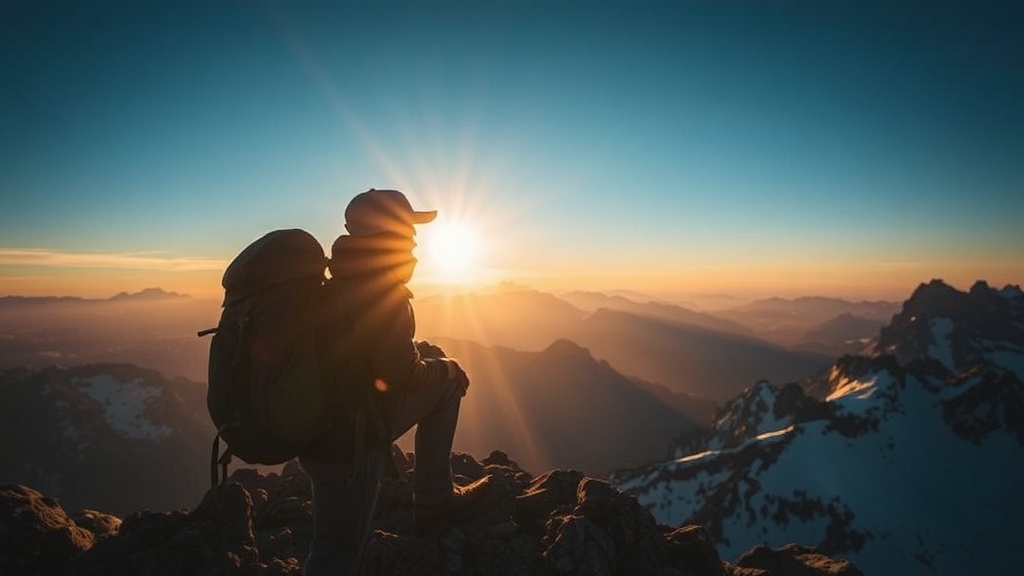
Packing Light for Long Alpine Treks
Quick Tip
Prioritize multi-use gear to significantly reduce your pack weight.
Every extra pound in your pack increases your metabolic cost by roughly 1% for every pound added. This means a heavy bag doesn't just hurt your back—it actually drains your energy reserves faster during high-altitude climbs. This post covers how to strip your gear down to the bare minimum without sacrificing safety or comfort.
How Much Should an Alpine Pack Weigh?
A standard lightweight trekking setup for a multi-day trip should ideally stay under 30 pounds (including water and food). If you're over this limit, you're likely carrying "just in case" items that you'll never actually use. I've seen too many hikers struggle because they packed a heavy cast-iron skillet or three extra pairs of denim jeans.
Focus on high-quality, multi-use gear. For example, the Patagonia Nano Puff is a great example of gear that packs down small while providing high warmth-to-weight ratios. You want items that serve at least two purposes.
What Gear Is Actually Necessary?
You only need three layers: a base layer, an insulating mid-layer, and a waterproof shell. Anything more is dead weight. When the weather turns, you'll be glad you have a reliable shell, but you won't need five different sweaters.
Here is a breakdown of the weight hierarchy for your pack:
| Category | Must-Have Item | Weight Priority |
|---|---|---|
| Shelter | Ultralight Tent or Bivy | High |
| Sleep | Down Sleeping Bag | Medium |
| Cooking | Single Burner Stove | Low |
Don't forget about hydration. Carrying too much water is a common mistake. Instead of a heavy gallon jug, use a lightweight bladder or even a portable water filter to treat water from streams along the way. This keeps your load light and your hydration steady.
How Do I Avoid Overpacking?
The best way to avoid overpacking is to use a "one-in, one-out" rule during your planning phase. If you add a new piece of gear to your list, something else has to go. This discipline is what separates seasoned trekkers from beginners who carry a disorganized mess of gear.
If you find yourself struggling with energy levels even with a light pack, you might be dealing with more than just weight. Check out my previous post on the fluid balance problem in thin air to see how hydration affects your performance at altitude.
Weight matters—a lot. A lighter pack means you can actually enjoy the view rather than staring at your boots. Keep it simple, keep it light, and leave the "what-ifs" at home.