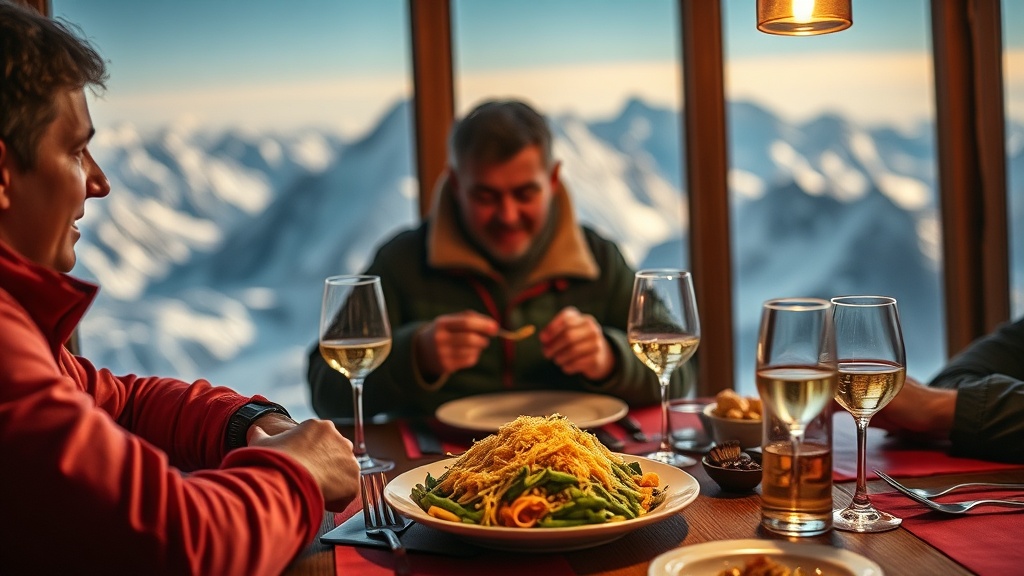
High-Altitude Dining: Eating Well When Oxygen is Low

What You Need to Know About Eating at High Altitudes
This post covers how altitude changes your digestion, your thirst levels, and your nutritional needs while staying in mountain retreats. Understanding these physiological shifts is the difference between a great vacation and a miserable trip spent dealing with indigestion or dehydration.
When you move from sea level to a mountain cabin, your body undergoes immediate changes. The air is thinner, the air pressure is lower, and your metabolic rate might actually increase. You aren't just eating for pleasure anymore; you're fueling a body that's working harder just to exist. Most people overlook how much water and salt they actually need when they're up in the clouds.
Why Does Food Taste Different in the Mountains?
You might notice your favorite meal tastes a bit bland when you're staying at a high-altitude lodge. This isn't just in your head. Lower air pressure and lower humidity can actually dull your sense of taste and smell. Studies often show that our perception of salt and sugar decreases as we climb higher. This is why many mountain-based restaurants rely heavily on spices and bold flavors to make food pop.
If you're planning a group dinner at a cabin, don't rely on subtle seasonings. Go for the bold stuff. Think garlic, heavy herbs, and citrus. If you find yourself feeling a bit off, it might not be the food itself—it might be your senses adjusting to the environment. To learn more about how altitude affects human biology, you can check out the resources at the Centers for Disease Control and Prevention.
How Much Water Should You Really Drink?
Dehydration is the most common mistake travelers make in the mountains. You might not feel thirsty because the air is dry and the temperature is cool, but you're losing moisture through respiration faster than usual. It's a sneaky process. If you wait until you're thirsty, you're already behind.
Here is a quick breakdown of how to manage your fluids:
- Carry a reusable bottle: Don't rely on finding a shop every time you need a refill.
- Monitor your urine: It sounds unglamorous, but it's the best way to track hydration. It should be pale yellow, not dark.
- Avoid excessive caffeine: While a coffee in the mountains is great, too much can act as a diuretic and worsen dehydration.
I always tell people to keep a liter of water within arm's reach at all times—even when you're just sitting on the porch watching the sunset. If you're feeling lightheaded, it's often the first sign that your fluid levels are dipping too low.
What Foods Help Prevent Altitude Sickness?
While no specific food is a magic cure for altitude sickness, certain dietary choices can help your body adapt. Complex carbohydrates are your best friend here. They provide a steady stream of energy without the massive spikes and crashes associated with simple sugars. Think oats, brown rice, or quinoa. These foods are easier on a stomach that might be feeling a bit sensitive due to the change in pressure.
Avoid heavy, greasy, or fried meals right before a hike or a long day of exploring. Digestion requires a lot of energy and blood flow. If your body is busy trying to process a massive, heavy steak or a pile of fries, it has less energy to focus on oxygenating your muscles. Instead, try smaller, more frequent meals. This keeps your blood sugar stable and prevents that heavy, lethargic feeling that often hits during the afternoon.
| Food Type | Recommended | Avoid or Limit |
|---|---|---|
| Carbs | Whole grains, sweet potatoes | White bread, sugary cereals |
| Proteins | Lean meats, beans, eggs | Fried meats, heavy fats |
| Hydration | Water, herbal tea, electrolytes | Excessive alcohol, high-sugar soda |
Alcohol is another big one. It's tempting to sit by the fireplace with a glass of wine, but alcohol suppresses your breathing and can dehydrate you even faster. If you do choose to drink, do so in moderation and pair it with plenty of water. A single heavy night of drinking can make the next day's physical activity feel twice as hard.
The goal is to support your body's ability to process oxygen. High-calorie, nutrient-dense foods are your best tool for this. A handful of nuts or a piece of fruit can make a massive difference in how you feel during a mid-day trek. Don't underestimate the power of a well-timed snack. Many travelers find that a slightly higher salt intake helps retain necessary fluids, but don't go overboard—balance is everything.
If you're looking for more tips on outdoor preparedness, the National Park Service offers great advice on how to stay healthy while exploring natural environments. Remember, your diet is a part of your gear—just as important as your boots or your jacket.