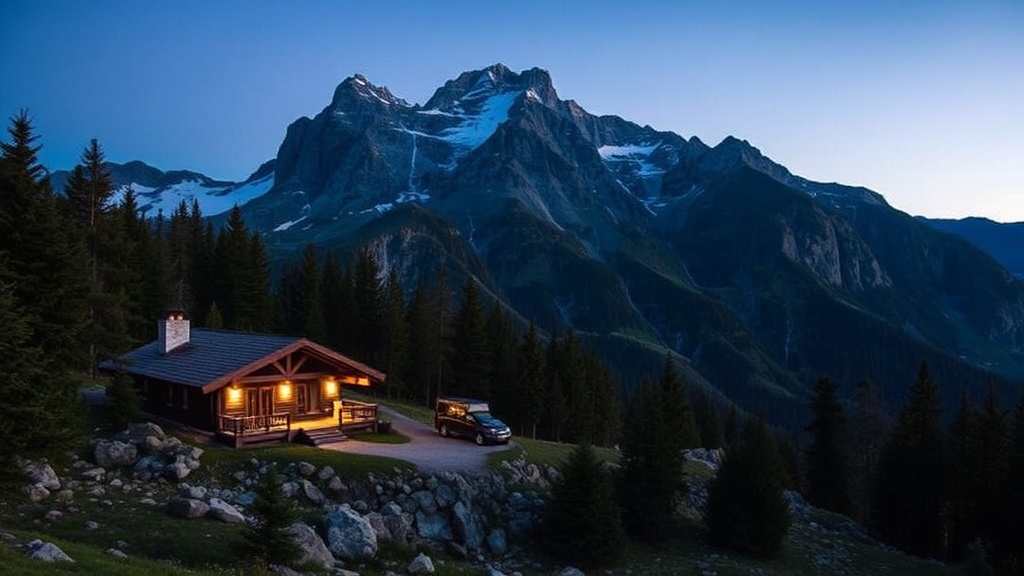
Hidden Mountain Retreats: Discover Peaceful Alpine Escapes Away from the Crowds
What This Post Covers — And Why Hidden Alpine Retreats Matter
This guide reveals lesser-known mountain destinations across North America and Europe where you can trade crowded ski resort villages for authentic alpine tranquility. You'll discover specific towns, lodges, and trails that remain blissfully overlooked — along with practical booking strategies, seasonal timing tips, and real budget breakdowns. The goal is simple: help you plan a mountain getaway that feels like discovery, not tourism.
Where Can You Find Mountain Retreats Without the Tourist Crowds?
The San Juan Mountains in southwestern Colorado offer some of the most dramatic alpine scenery in North America — without the Aspen or Vail price tags (or parking nightmares). Creede, Colorado sits at 8,852 feet, accessible via a winding mountain road that keeps casual visitors away. The town's population barely cracks 300, yet it boasts the Creede Repertory Theatre — one of the most respected summer theater companies in the West.
You'll find similarly quiet alternatives throughout the Alps. The Vanoise National Park in France shelters Bonneval-sur-Arc, a stone village that looks unchanged since the 18th century. It's the last inhabited settlement before the Col de l'Iseran — the highest paved mountain pass in the Alps — which closes entirely from October through May. That isolation protects it.
The Dolomites get busy. Everyone knows that. But the Lago di Braies crowds thin dramatically if you venture 20 minutes northeast to the Valle di Casies — a side valley where South Tyrolean farmsteads rent rooms with views of the Rieserferner mountains. You'll pay roughly €65 per night for a double room with breakfast at Gasthof Wieser in summer 2025.
Here are five hidden mountain destinations worth serious consideration:
- Cooke City, Montana — Just outside Yellowstone's northeast entrance, this former mining town has 75 year-round residents and zero chain hotels. The Soda Butte Lodge runs about $140/night in shoulder season.
- Lech am Arlberg, Austria (September–November) — Famous in winter, ghostly quiet in autumn. The Hotel Gasthof Gupf drops rates by 40% after the ski lifts close.
- Mount Washington Valley, New Hampshire (mid-week) — Avoid weekends. The Stonehurst Manor in North Conway offers mid-week packages that include dinner.
- Santa Fe de Moraña, Spain — A Pyrenean village of 25 inhabitants with the Hotel Viñas de Lárrede as its only accommodation. You'll need to book three months ahead — they have six rooms.
- Kicking Horse, British Columbia — Yes, there's a resort. But the town of Golden — 15 minutes down the valley — offers the Prestige Inn Golden at half the price with access to the same alpine terrain.
How Much Should You Budget for a Hidden Mountain Escape?
Lesser-known destinations aren't always cheaper — but they deliver better value per dollar. You'll trade luxury amenities for authenticity, which suits many travelers perfectly. Here's what realistic spending looks like across three budget tiers:
| Category | Budget Option | Mid-Range | Comfort |
|---|---|---|---|
| Accommodation (per night) | $75–$110 (hostels, guesthouses, camping cabins) | $140–$220 (family-run lodges, B&Bs) | $280–$450 (boutique hotels, mountain chalets) |
| Meals (daily) | $35–$50 (self-catering basics) | $75–$110 (restaurant mix) | $150–$220 (fine dining, wine) |
| Activities | $0–$25 (hiking, free museums) | $50–$120 (guided day hikes, equipment rental) | $200–$400 (private guides, heli-hiking, spa) |
| Transportation | $30–$60 (public transit, shuttle buses) | $80–$150 (rental car, gas) | $250–$500 (private transfers, regional flights) |
| Weekly Total (est.) | $1,000–$1,450 | $2,450–$3,800 | $5,600–$8,500 |
The catch? Hidden destinations often lack public transportation. You'll need a rental car in Colorado's San Juans, the Italian Dolomites' secondary valleys, and most of the Pyrenees. Budget $45–$75 daily for a compact vehicle — and book early. Summer 2025 rental shortages in mountain regions are already projected.
That said, some hidden gems reward the car-free traveler. Zermatt, Switzerland — while famous — bans automobiles entirely. The Gornergrat Railway delivers you to 10,000 feet with views of the Matterhorn. Less famous but equally accessible: Chamonix, France, connected to Geneva by direct bus in 90 minutes. The Mont Blanc Express train continues through spectacular alpine terrain to Martigny, Switzerland.
When Is the Best Time to Visit Undiscovered Alpine Destinations?
Shoulder season — mid-September through October in the Northern Hemisphere, April through May in the Southern — delivers the optimal balance of accessibility, weather, and solitude. Alpine wildflowers peak in July, but so do crowds and prices. You'll save 30–50% on accommodation by shifting your visit three weeks earlier or later.
Here's the thing about "hidden" mountain towns: many operate on seasonal schedules that would shock urban travelers. Crested Butte, Colorado — increasingly discovered but still manageable — sees roughly 60% of its businesses close between late October and Thanksgiving. The same pattern repeats across the Alps. Wengen, Switzerland shuts down almost entirely from late October through mid-December. The hotels that remain open slash rates dramatically — you'll find Hotel Alpenrose rooms for CHF 120 that cost CHF 380 in August.
Winter visits to lesser-known ski areas require different timing. January — after the holiday crush but before Presidents' Day weekend — offers the best combination of snow coverage and reasonable pricing. The Grand Targhee Resort in Wyoming (near Driggs, Idaho, not Jackson) receives more annual snowfall than Jackson Hole — 500+ inches — with lift tickets running $30–$40 less per day. The Teton Springs Lodge in nearby Victor, Idaho, offers ski-and-stay packages that include the 45-minute shuttle to the resort.
Worth noting: some hidden retreats shine in seasons most travelers ignore. Lake Bled, Slovenia — hardly a secret, but manageable in November — offers morning fog that clings to the Julian Alps while the crowds stay home. The Vila Bled hotel, a former Tito residence, drops to €95 per night. The rowboat to Bled Island costs €20. You'll have the church steps to yourself.
Specific Timing Recommendations by Region
- Colorado Rockies: Late September for aspen colors; early June for wildflowers (before the July rush).
- Swiss and French Alps: Late May through mid-June — hiking trails open, cable cars running, ski resorts empty.
- Dolomites, Italy: Late September. The Alpe di Siusi meadows remain green, rifugios still open, temperatures ideal.
- Canadian Rockies: Late September. The Larch Valley trail near Lake Louise turns golden — and the summer crowds have departed.
- Patagonia (Southern Hemisphere):strong> Late March through April. Shoulder season delivers stable weather with 60% fewer trekkers on the W Trek in Torres del Paine.
What Should You Pack for Remote Mountain Lodges?
Remote mountain accommodations operate under different rules than city hotels. Power outages happen. Wi-Fi cuts out. The general store closes at 5 PM — if there is a general store. Packing strategically matters more here than in most destinations.
Layering systems beat single heavy garments. The Patagonia Nano Puff jacket compresses to nothing, provides warmth when wet, and works as a mid-layer or outer shell. At $239, it's an investment — but one that performs across three seasons. Pair it with a Smartwool Merino 150 base layer ($85) and you're covered for temperature swings from 40°F to 70°F.
Footwear decisions matter enormously. Trails in hidden alpine destinations are often unmaintained — rocky, muddy, or snow-covered into July. The Salomon X Ultra 4 GTX hiking shoes ($150) handle everything from village streets to 10-mile mountain trails without the bulk of full boots. Bring them broken in. Blisters at 9,000 feet with no pharmacy for 40 miles make for a miserable retreat.
Practical additions most travelers forget:
- A headlamp with fresh batteries — power failures in mountain lodges aren't emergencies, just realities
- Flip-flops or shower shoes — shared bathroom facilities remain common in European alpine hostels and mountain huts
- A physical map — GPS fails in narrow valleys, and you're not downloading offline maps when the lodge Wi-Fi is down
- Cash — many remote restaurants and smaller lodgings in the Alps, Rockies, and Pyrenees don't accept cards
- Earplugs — wooden lodge walls transmit sound. Your neighbor's 5 AM departure for a summit attempt becomes your alarm.
The real secret to packing for hidden mountain retreats? Bring a book. Not a Kindle — a physical book. When the storms roll through and the power flickers, when you're snowed in for an extra day at the Mount Engadine Lodge in Alberta (accessible only by 4WD, no cell service), you'll want analog entertainment. The lodge's library might only contain German-language hiking guides and a water-damaged James Patterson novel. Come prepared.
Booking Strategies That Actually Work
Direct booking saves money and builds relationships. Smaller mountain lodges — places with six to fifteen rooms — often list on Booking.com or Airbnb but prefer direct reservations. Email the property. Ask about shoulder-season rates. Inquire whether they'd offer a discount for a five-night stay instead of three. Many will.
The Schweizerhof Lenzerheide in Switzerland knocked 15% off my quoted rate when I mentioned I'd found them through a hiking blog and planned to stay a week. The Chipeta Solar Springs Resort in Ridgway, Colorado — gateway to the San Juans — includes breakfast and afternoon cookies when you book directly through their website, a perk third-party platforms strip out.
Here's the thing about cancellation policies in remote mountain towns: they're often stricter than urban hotels. The Mountain Lodge at Telluride requires 30 days notice for peak season refunds. Smaller operations in the Pyrenees or Dolomites might request 50% deposits non-refundable within 60 days of arrival. Budget for the possibility that weather — or life — intervenes. Travel insurance from World Nomads or similar providers runs roughly 4–7% of trip cost and covers trip cancellation due to weather, illness, or family emergencies.
The best hidden mountain retreats reward the traveler who plans thoroughly but remains flexible. That trail you researched might be snowed in. The restaurant you bookmarked might have burned down (this happened to me in the Andes — the replacement served excellent trout). The lodge owner might recommend a different peak, a secret hot spring, a local festival not mentioned in any guidebook.
Go ready. Go open. The mountains — the quiet ones, the overlooked ones, the ones without Instagram hashtags — are waiting.