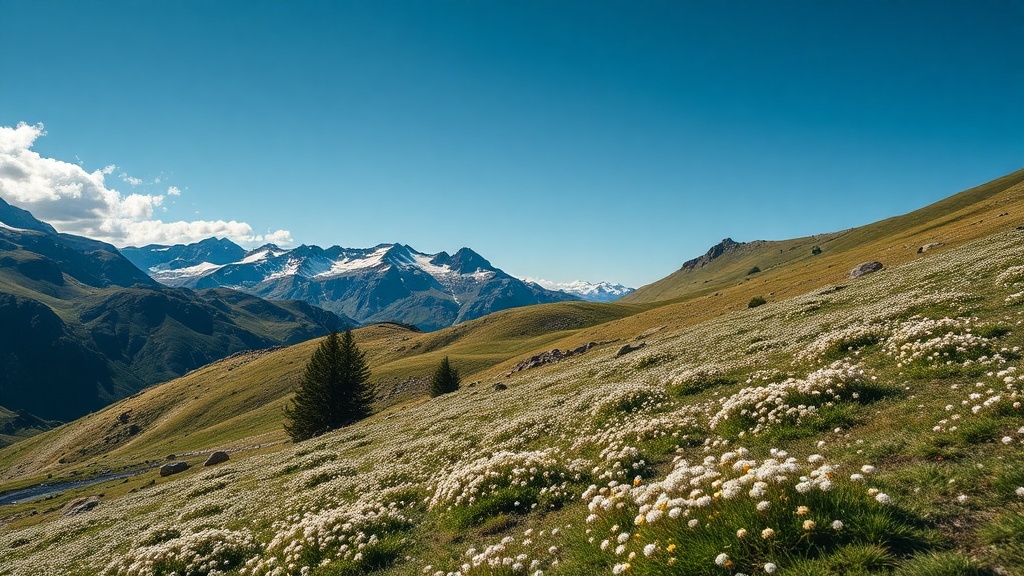
Finding Quietude in High Altitude Alpine Meadows
Most travelers assume that high-altitude alpine meadows are inherently noisy, crowded, and difficult to access. They picture bustling hiking trails or loud, commercialized mountain resorts. This post covers how to actually find silence in these high-elevation environments by focusing on timing, specific gear, and unconventional wayfinding. Understanding these factors is the difference between a crowded, noisy trek and a truly solitary experience in the high country.
Finding quietude isn't about luck. It's about planning. If you show up at a popular trailhead in Rocky Mountain National Park at 8:00 AM on a Saturday, you won't find silence—you'll find a parking lot full of idling SUVs.
When is the Best Time to Visit Alpine Meadows?
The best time to visit alpine meadows is during the early morning hours on weekdays, specifically in the late summer months. While most people head to the mountains in July, the peak heat and crowds often hit then. By late August or early September, the intense summer crowds begin to thin out, and the weather stays relatively predictable.
If you're looking for that perfect window of stillness, keep these three factors in mind:
- The Mid-Week Advantage: Avoid weekends at all costs. If you can swing a Tuesday or Wednesday, you'll find significantly fewer people on the trails.
- The Dawn Window: Aim to be at the trailhead before the sun actually hits the peaks. Most casual hikers don't start their day until 10:00 AM.
- The Shoulder Season: Late August is a sweet spot. The snow has melted from the high passes, but the heavy autumn crowds haven't arrived yet.
That said, weather moves fast up there. You might find silence, but you also might find a sudden thunderstorm. It's better to be too early and wait in the car than to be too late and caught in a lightning storm.
For real-time weather tracking, I always check the National Weather Service before I even pack my bag. It's a non-negotiable step for anyone serious about high-altitude travel.
What Gear Do I Need for High-Altitude Hiking?
You need lightweight, moisture-wicking layers and sturdy footwear designed for uneven, rocky terrain. Because the weather in alpine zones can shift from blistering sun to freezing temperatures in minutes, your gear needs to be versatile. Don't rely on a single heavy jacket; instead, use a layering system.
I've found that a high-quality base layer is the most important piece of equipment you'll own. If you get wet from sweat or rain, you'll freeze without a plan. I personally swear by the Patagonia Capilene line because it breathes well and dries incredibly fast. It's a bit more expensive than generic brands, but it's worth the investment if you plan on doing this more than once a year.
Here is a quick comparison of gear types for different alpine conditions:
| Gear Category | Lightweight/Day Trip | Extended/Rugged |
|---|---|---|
| Footwear | Trail Runners (e.g., Hoka Speedgoat) | Mid-Height Boots (e.g., Salomon Quest) |
| Insulation | Lightweight Down Vest | Heavyweight Puffy (e.g., Arc'teryx Cerium) |
| Hydration | 500ml Water Bottle | 2L or 3L Hydration Bladder |
| Protection | Standard Sunscreen | High SPF + UV-rated clothing |
One thing people often forget is eye protection. The UV intensity at 11,000 feet is no joke. If you aren't wearing polarized sunglasses, you'll deal with massive eye fatigue by noon. (Trust me, I learned that the hard way in the Sierras.)
The catch? More gear usually means a heavier pack. If you're only doing a three-mile loop, don't lug around a 50-liter backpack. Keep it simple. A small 20-liter pack is plenty for water, a snack, and one extra layer.
How Can I Avoid Crowds in Popular National Parks?
You can avoid crowds by choosing "secondary" trails or visiting less famous mountain ranges. While everyone is fighting for a parking spot at Yosemite or Glacier, places like the Sawtooth Range in Idaho or the Wind River Range in Wyoming offer similar alpine beauty with a fraction of the foot traffic.
If you are dead-set on visiting a "bucket list" park, you have to change your strategy. You can't just show up and hope for the best. You need to be proactive.
- Research "Backcountry" vs. "Frontcountry": Most crowds stay on the "frontcountry" trails—the ones near the parking lots and visitor centers. If you're willing to hike even two miles past the main junctions, the noise levels drop significantly.
- Use the "Second Peak" Method: Instead of hiking to the most famous summit, look for a nearby peak with a similar elevation. The views are often just as good, but the trail will be much quieter.
- Check Trail Reports: Use apps like AllTrails to see recent comments. If people are complaining about "heavy traffic" or "crowded vistas," pick a different route.
It's also worth noting that many parks now require advanced reservations for certain trailheads. This is actually a good thing. It limits the number of people and keeps the wilderness feeling... well, wild. Check the official National Park Service website for your specific destination to see if you need a permit before you drive out.
I've noticed a trend where people try to "game" the system by arriving at 2:00 PM to avoid the morning rush. That's a mistake. The afternoon is when heat-induced thunderstorms are most common in the alpine zones. I'd rather be the person waking up at 4:00 AM than the person stuck on a ridge during a lightning storm.
The silence of an alpine meadow is fragile. When you're out there, it's easy to get caught up in the scale of it all. But remember, you're in a high-altitude environment that is both beautiful and unforgiving. The goal isn't just to find quiet; it's to find quiet while staying safe and prepared.
If you're planning a trip, don't just look at the photos on Instagram. Look at the topographical maps. See how long the approach is. See how much elevation gain you're actually facing. A "short hike" on a map can be a grueling climb once you're actually standing at the base of the mountain.
The real secret to finding that stillness is respect. Respect the weather, respect the terrain, and respect the crowds by being the person who moves quickly and quietly through the space. If you do that, the mountains will actually feel like they belong to you for a little while.